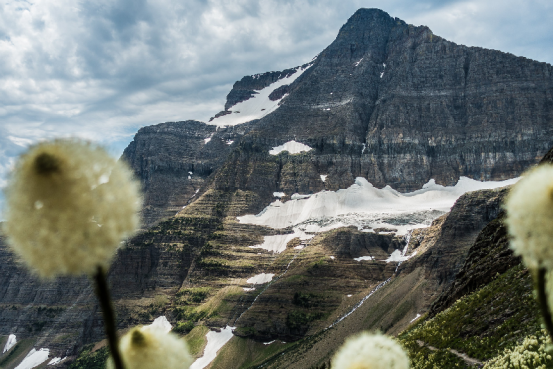
Imagine standing on the top of a snow-covered mountain, the wind is biting and the air seems to be frozen. It is quiet all around, surrounded by a vast sea of white snow and steep glaciers. The ice and snow cover makes the land seem almost lifeless, as if everything has been forgotten by time. However, it is precisely such mountains that show the hottest and most violent side of nature from another perspective. Ice and fire, two seemingly opposite forces, collide and intertwine in this remote land, forming the most shocking landscape on earth.

The coldness of ice and snow: nature’s toughest mask
Snow-covered mountains always give people a cold and inaccessible impression. Imagine that it is an endless winter world, where there is no warmth anywhere, and all life seems to be struggling in the severe cold of ice and snow. However, this ice and snow is not just cold, but has a more far-reaching impact behind it. The process of ice and snow accumulation is the process by which nature gradually shapes the landform. Layers of snow are constantly compacted and thickened, and eventually form glaciers. These glaciers are like nature’s carving knives, cutting mountains and creating canyons, glacial lakes and ice walls.
These snow-covered mountains not only change the shape of the surface, but also shape the entire ecosystem. Have you ever wondered how life can survive in such an extremely cold environment? In this seemingly barren land, you can actually find traces of various tenacious lives. For example, mosses, lichens and polar flowers grow tenaciously in an environment covered with ice and snow. Through long-term adaptation, they can not only withstand low temperatures, but also effectively reduce water loss. And those animals that live in extreme cold, such as snow leopards, snowy owls and reindeer, have special physiological characteristics that can maintain the balance of life in this environment.
However, behind the ice and snow is a strong internal force deep in the earth. Snow-covered mountains are not just symbols of coldness, they are often located in active zones of plate tectonics, with magma and hot air lurking beneath them, waiting for the opportunity to erupt.
The turmoil of volcanoes: the fiery heart of the deep earth
Volcanoes, one of nature’s most violent manifestations, are the other side of these snow-capped mountains. In these seemingly dead mountains, in fact, the underground craters are carrying infinite energy. Volcanoes are not formed by chance, they are the product of the movement of the earth’s crust. In the interior of the earth, magma rises and flows with infinite heat, and finally erupts through the craters, releasing huge energy outward.
You may not imagine that volcanic eruptions are sometimes so rapid and unpredictable. An eruption is often accompanied by strong vibrations, flaming magma gushing out, and the erupted volcanic ash can even cover the sky. For those living in volcanic areas, volcanic eruptions are undoubtedly extremely dangerous, but at the same time, volcanoes also greatly enrich the local soil, allowing the vegetation near the volcano to be well nourished.
These volcanoes are often the hidden arteries of the mountains, releasing energy in an almost frenetic manner. Some volcanoes erupt periodically, forming lava terraces and deep craters surrounding the craters; while others erupt irregularly, and the unpredictability of volcanic activity makes them more threatening. But in any case, these eruptions of volcanic rock and ash are undoubtedly a key factor in shaping the topography of the snow-capped mountains.

Ice and Fire: The Visual and Mind-Blowing Effects of Nature
Imagine a unique scene in this snow-covered mountain range, where the lava from a volcanic eruption meets the ice and snow. The lava flows on the surface of the ice and snow, and its high temperature quickly melts the ice and snow, turning it into a turbulent stream. Volcanic ash fills the air, covering the sky, while the red color of the lava and the coldness of the snow form a sharp contrast. The eruption of the volcano not only changes the surrounding landscape dramatically, but also puts the entire ecological environment in drastic changes.
This collision of ice and fire is not only a visual shock, but also brings us a deep reflection on the power of nature. The tranquility brought by ice and snow and the fierce confrontation of volcanoes are like two extreme forces in nature, always intertwined in confrontation. Every eruption, the encounter between volcanoes and ice and snow, will leave a magnificent landscape on the earth. Perhaps it is this interweaving of ice and fire that makes this mountain range so unique and mysterious.
Interactions between volcanoes and glaciers: shaping and changing
This collision of ice and fire is not only reflected in the moment when volcanic eruptions meet ice and snow. In many snow-covered mountains, the interaction between volcanoes and glaciers is also very close. For example, the contact between glaciers and lava often triggers a series of geological changes. Glacial meltwater penetrates into the magma, and the temperature drops rapidly, causing the magma to cool and solidify rapidly, forming new volcanic rocks. And as the glaciers melt, volcanic activity often brings sudden floods – these lava torrents blend with ice and snow, further changing the appearance of the mountains.
In these areas where ice and snow intersect with volcanoes, geological activities and climate change often affect each other. The carbon dioxide and sulfides released by volcanic eruptions enter the atmosphere, which will have a significant impact on the global climate and may cause global temperatures to rise or fall. In local areas, the ground covered with volcanic ash will affect the reflectivity of the snow-capped mountains, causing the snow to melt faster, further exacerbating changes in the local ecology.

Conclusion: The Eternal Struggle between Ice and Fire
Snow-capped mountains are both a reflection of the cold side of nature and the fiery core of the Earth. They demonstrate the infinite energy of nature through the interplay of ice and fire. From the cover of ice and snow to the eruption of volcanoes, every moment of change silently tells the dynamic history of this planet.
This is not only a presentation of natural landscape, but also a true portrayal of the changes on the earth. The collision of ice and fire represents the endless cycle of life and energy on earth, which brings profound thoughts to human beings – on this stage of nature, how do we find our place in the uncertain forces? Can we find our own balance between this eternal ice and fire?