

https://www.alength.com/the-ultimate-guide-to-mountain-systems-geology-climate-and-hydrology/
Mountains are one of the most stunning things in nature. They not only change the landforms, but also have a profound impact on the climate. The transition from the temperate zone to the frigid zone is happening quietly behind the “barrier” of the mountains. Have you ever thought about how the cold and moist air you feel when you stand at the foot of the mountain can change dramatically in just a few hundred meters? All this seems to be nature’s clever arrangement of the climate. Yes, mountains are not only a physical height difference, but also a dividing line between climate and ecology, like an invisible threshold. Crossing it, you will find that the climate of the whole world has changed dramatically.

Dramatic changes in mountain climate: challenges of temperature and air
Why does the temperature drop so quickly as the altitude increases? This question may have puzzled you. The answer is actually very simple – the temperature of the atmosphere gradually decreases as the altitude increases. The temperature drops by about 6°C for every 1,000 meters of altitude. It may sound abstract, but if you stand on a high peak in the mountains, you will clearly feel the oppression of this climate. The coldness seems to penetrate your bones in an instant, leaving you in awe.
In temperate regions, climate change is particularly dramatic. As the altitude increases, warm and humid air is gradually replaced by cool and dry climate. This change is not only a drop in temperature, but also a change in humidity, wind speed and oxygen concentration. Starting from the trail at the foot of the mountain and heading to the top of the mountain, it is like traveling through a fascinating climate magic world – from lush forests to sparse grasslands, to snowy areas with almost no breath of life, all of this changes quietly as you move forward step by step.
Temperate Mountains: Guardians of Forests and Greenery
In the temperate zone, the climate of the mountains is warm and pleasant. Imagine the sun shining through the dense forests, onto the moist land, the fresh air, and the melodious birdsong. This is the characteristic of the temperate mountains. The forest at the foot of the mountain is like a green ocean, and the vegetation changes with the seasons. The climate with distinct four seasons provides sufficient living conditions for the animals and plants here, and the low-altitude areas of the mountains are often a hotbed for the reproduction of various species.
However, as the altitude rises, the climate is also quietly changing. The warm air gradually dissipates, the humid air begins to become dry, and the temperature difference between the four seasons begins to magnify. Have you ever felt that your steps have become heavy and you are out of breath while climbing? This is not only a physical challenge, but also a test of the climate. The vegetation along the way has also gradually changed, and the dense forests have gradually been replaced by sparse shrubs and meadows. Every time you look up and feel the cool breeze, nature is telling you: you are entering a brand new world.

Mountains of the Arctic: The Limits of Cold and Loneliness
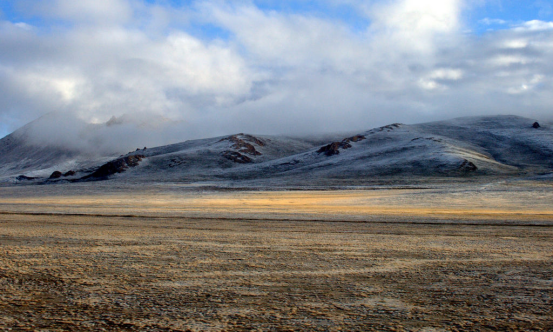
Going further up, you will find that the climate change in the mountains begins to become extreme. The temperate climate has long disappeared, and the breath of the frigid zone is blowing in. The land covered with ice and snow seems to be another cold world, where cold and storms have become the norm. Have you ever thought about how much hardship is hidden behind the snowy scene on the top of the mountain? The air here is thin, the temperature is so low that it is impossible to look directly at it, and life can hardly endure such extreme tests.
As the altitude continues to rise, the temperature continues to drop, and the plants almost disappear, replaced by some cold-resistant mosses and lichens. Occasionally, you can see some tenacious life growing in extreme environments, but most of the time, the scenery on the top of the mountain is just monotonous white snow and hard rocks. Here, the oxygen in the air can hardly support humans to stay for a long time, which is one of the reasons why many people cannot tolerate such an extreme climate. You will wonder how many creatures can survive in such an environment?
Alternating between wet and dry: The other side of the mountains
Mountains not only change the temperature and humidity, but also cause significant differences in the climate, especially the phenomenon of “mountain rain shadow effect”. When airflow is forced to rise on the windward side of the mountain, water vapor condenses into precipitation, nourishing the forests and grasslands on one side. On the leeward side, the airflow loses moisture, the climate becomes dry, and even deserts are formed. Have you noticed that there is such a huge difference between the two sides of many mountains? For example, the Andes Mountains, the tropical rainforest on the east side and the arid desert on the west side, are the huge differences brought about by the “interception” effect of the mountains on the climate.
This contrast is truly amazing. The mountains are like a calm “climate master” that determines the water and dryness, green and barrenness of this land in an almost imperceptible way. And we, standing in front of this “barrier”, can only silently admire the magic of nature.
The challenge of extreme climate: life struggles between cold and warmth
Going higher up, the climate in the mountains often changes rapidly and extremely. In some places, the temperature changes so drastically that the conditions for species to survive become almost unthinkable. Have you ever felt a biting chill in the early morning, and then quickly broke into a sweat under the afternoon sun? These changes are not just about the weather, but also about the relentless challenges of the mountain climate.
The intensification of global climate change is also affecting the ecological balance of these mountainous areas. The rise of the snow line and the warming of the temperature are forcing species that adapt to the cold to migrate to higher places, and may even face extinction. Nature seems to be telling us that climate change is a silent war, and mountains are witnesses and mediators of this war.
Summary: The magnificence and ruthlessness of mountain climate
Mountains are not only natural wonders, they also carry the game of climate change and ecology. The transition from temperate to frigid zones is not just a simple change in temperature and humidity, but also a profound interaction between life and the environment. This change makes us feel the greatness and fragility of nature, and every climate change in the mountains is a magnificent and ruthless face of nature showing us.
Have you found the connection between yourself and nature in this long climate journey?
https://www.alength.com/the-ultimate-guide-to-mountain-systems-geology-climate-and-hydrology/