
https://www.alength.com/the-ultimate-guide-to-the-worlds-most-famous-mountain-ranges/
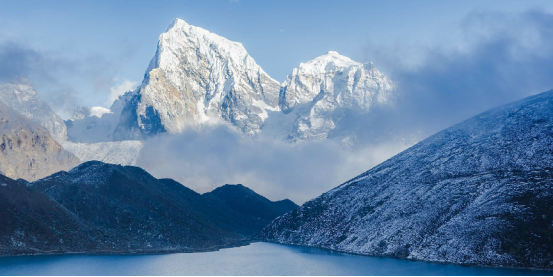
The Himalayas, a majestic and mysterious mountain range, is not only one of the youngest and most magnificent mountains on Earth, but also symbolizes the ultimate charm and endless challenges of nature with its title of “Roof of the World”. From northern India, Nepal, Tibet Autonomous Region of China, to Bhutan and Pakistan, the Himalayas span five countries, with countless mysteries and wonders, and are one of the most iconic natural wonders in the world.
Whether it is a holy place in the hearts of climbers or a paradise in the eyes of nature lovers, the Himalayas are a place with endless charm and mystery. Today, let’s explore this masterpiece of nature – the Himalayas, and how it became the “Roof of the World”.
1. Geography and History of the Himalayas
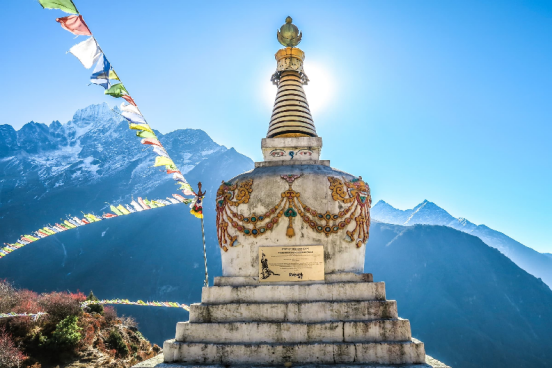
The word Himalaya comes from Sanskrit, meaning “the abode of snow” (Himalaya). This mountain range is located in the south-central part of Asia, stretching from the Karakoram Mountains in Pakistan to the west and to the border of Myanmar in the east, passing through India, Nepal, Bhutan and the Tibet region of China. It is about 2,400 kilometers long and about 200-400 kilometers wide. The Himalayas not only define the landscape of Asia geographically, but also have a profound impact on the climate and ecology of the region.
The Himalayas were formed about 50 million years ago when the Indian Plate collided with the Eurasian Plate, creating the world’s tallest mountain range. Since then, the Himalayas have continued to change, and their towering peaks and rugged valleys have been a testament to the evolution of the Earth.
2. The roof of the world: unrivalled height
The Himalayas not only attract people with their magnificent natural landscape, but also become the “roof” of the earth because of their extremely amazing altitude. In this mountain range, there are the highest peaks in the world, the most famous of which is Mount Everest, which has an altitude of 8,848.86 meters and is the highest place on earth. Mount Everest is located on the border between Nepal and China, and its majestic figure has become the ultimate goal of countless climbers and explorers.
In addition to Mount Everest, the Himalayas also have many other amazing peaks, such as K2 (K2), Koncha Kangja, Lhotse, etc. Each peak has its own unique charm and challenges, attracting mountaineering enthusiasts, explorers and scientists from all over the world to challenge and study.
3. Ecology and Climate of the Himalayas
Due to the huge altitude differences in the Himalayas, its ecological environment and climate are extremely complex. In various regions of this mountain range, the ecosystem varies greatly, forming unique flora and fauna. This is not only a paradise for nature lovers, but also a valuable resource for studying the earth’s ecosystem.
Low altitude areas: The low altitude areas of the Himalayas have a warmer and more humid climate, dense forests and rich biodiversity. Many species of plants and animals live here, including the precious Bengal tiger, Asian elephant, snow leopard and various tropical plants.
Middle altitude area: As the altitude increases, the forest gradually turns into alpine meadows and shrubs, and the temperature becomes cold and dry. The animals here are mainly some cold-resistant species, such as snow leopards and Himalayan goats.
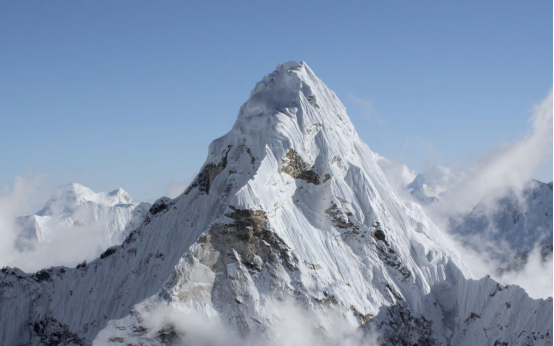
High altitude areas: In areas above 6,000 meters above sea level, the living conditions of organisms are extremely harsh. There are almost no plants growing here, the air is thin, and the temperature is below zero all year round. Only a few species that are adapted to extreme environments, such as the alpine pika, can survive here.
The unique geographical location of the Himalayas also determines its impact on the global climate. The mountain not only blocks the dry air currents from Central Asia, but also provides abundant water sources for South Asia. The source of many rivers (such as the Ganges, Indus and Yarlung Zangbo) are in the Himalayas, which provide precious water resources for hundreds of millions of people.
4. Culture and Religion: The Spiritual Symbolism of the Himalayas
The Himalayas are not only a natural wonder, but also a sacred place for many cultures and religious beliefs. For the people who live around the mountains, the Himalayas represent holiness, respect and mystery. In Hinduism and Buddhism, the Himalayas are regarded as a sacred place, and many myths and legends are closely related to this mountain range.
Hinduism: In Hinduism, the Himalayas are regarded as the abode of the gods. Lord Shiva is considered the main god of the Himalayas, and many Hindus believe that the Himalayan peaks are connected to the realm of the gods and are a bridge to heaven.
Buddhism: The Himalayas are also mentioned in Buddhist scriptures, especially the legends related to the Buddha Shakyamuni. Many Buddhist temples and monasteries are built on the high mountains around the Himalayas, becoming holy places for monks to meditate and practice.
Tibetan Buddhism: The Himalayas are a sacred symbol to followers of Tibetan Buddhism. Many important Buddhist sites, such as the Potala Palace, are located around this sacred mountain range.
5. Challenges in the Himalayas: Mountaineering and Protection
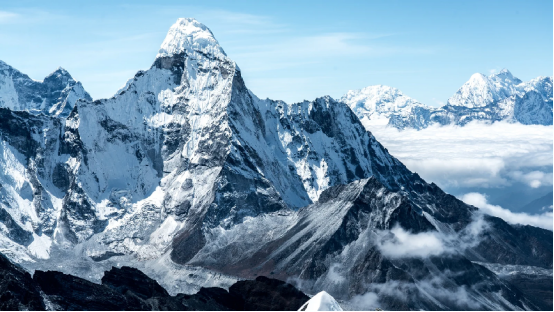
The Himalayas offer unparalleled challenges to climbers. Due to its extreme climate and complex terrain, climbing Mount Everest and other peaks is extremely risky. Every year, thousands of climbers flock to the Himalayas to try to challenge the world’s limits. Although modern technology and equipment have made climbing safer, problems such as altitude sickness, bad weather, and lack of oxygen still pose a threat to climbers.
With the increase of tourism and mountaineering activities, the ecological environment of the Himalayas is also facing severe challenges. Garbage pollution, over-exploitation of resources and climate change have all threatened this fragile ecosystem. Therefore, protecting the ecological environment of the Himalayas has become a common concern of countries around the world. Many international organizations and governments are taking measures to ensure the sustainable development and protection of this sacred mountain range.
VI. Conclusion: Himalayas, a symbol of eternity
The Himalayas, known as the “Roof of the World”, is not only a miracle of nature, but also carries the eternal yearning of mankind for limits and challenges. It demonstrates the power of nature with its unparalleled height and majesty, and also symbolizes the spirit of mankind’s continuous exploration and self-transcendence.
For climbers, the Himalayas are not only majestic peaks, but also an extreme challenge to the mind and body; for ordinary people, it is a gift from nature and a window for us to deeply understand the world and life. Behind every mountain are the dreams and struggles of countless people, and the deepest awe and exploration of nature and life. The majesty of Mount Everest, the steepness of Mount Khambal, and even those hidden mountains that have never been conquered are the pride and legend of this sacred mountain range.
Protectors from all over the world have begun to take action for this mysterious and desirable land, but the challenges remain severe. While we enjoy this natural wonder, perhaps it is time to seriously think about how to better protect it in the future and prevent this magnificent “roof” from being destroyed by human footsteps. The Himalayas, as the common heritage of mankind, how to continue its glory and how to pass it on between our generation and future generations is the responsibility of each of us.
When we look up at this majestic mountain range again, can we cherish its tranquility and beauty more, and deeply feel the natural power it contains and the courage of mankind to overcome difficulties and pursue the limits?
The Himalayas will always be the roof of the world and a symbol of mankind’s endless spirit of exploration. It will never fade and will always remain fresh.
https://www.alength.com/the-ultimate-guide-to-the-worlds-most-famous-mountain-ranges/