
https://www.alength.com/the-ultimate-guide-to-mountain-systems-geology-climate-and-hydrology/
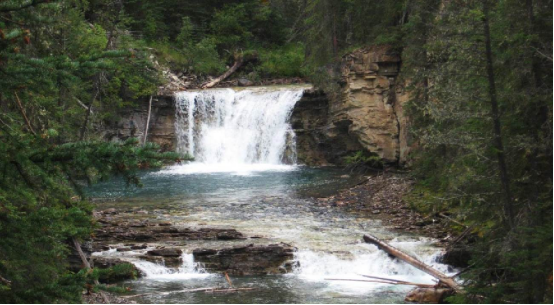
Behind every mountain range, there is a complex hydrological system, and streams and waterfalls are precisely the most attractive symbols of this system. Have you ever stood in a valley, listening to the gurgling stream, or felt the earth-shaking roar beside a waterfall? Behind these miracles of water flow is the deepest wisdom and power of nature. What makes the water flow through the rocks and form these moving scenes? What makes the waterfalls cascade down from the majestic mountains, turning into a stunning picture of nature?
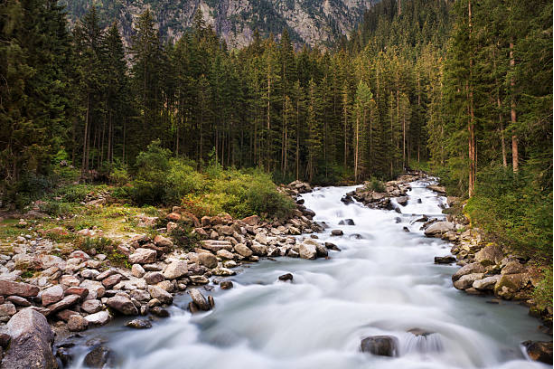
The hydrological cycle: How does water flow from mountaintops to the surface?
First, we must return to the core concept of the hydrological cycle. The water cycle is particularly complex and dynamic in mountainous areas. Starting from snowmelt, precipitation or groundwater infiltration on the top of the mountain, water begins to flow along the ridges and valleys, gradually gathering into streams, rivers, and even eventually flowing into the sea. Every drop of water seems to have its own mission, passing through rocks and soil, eroding and scouring, carrying traces of time and history along the way.
The path of water flow is greatly affected by the terrain, especially in the mountains, where the complexity of the terrain is more significant. You can imagine how the mountains have cleverly arranged the direction of water flow. In this undulating mountainous area, water does not always flow easily and smoothly. They are pulled and restricted by various factors such as the hardness of the rock formations, the changes in slope, and the type of soil. Yes, the trajectory of water flow seems to be a secret roadmap carefully planned by nature – can you feel the ambition and mystery of this masterpiece of nature?
The formation of streams: every drop of water tells a story
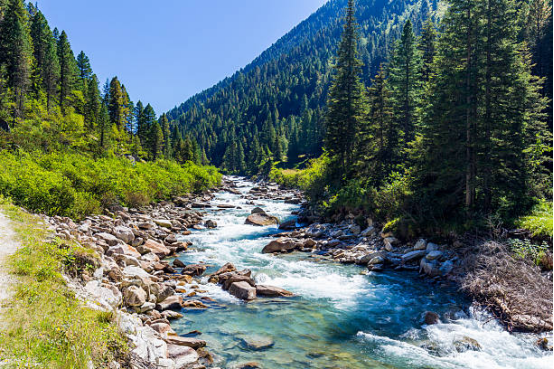
The formation of streams, in simple terms, is the continuous flow of water through mountains, canyons, forests and other areas. However, have you ever wondered how those seemingly insignificant streams can gradually become a clear stream or even converge into a river over thousands of years? They may seem ordinary, but they carry tremendous power, carrying minerals, sediment, and life along the way. The speed of the water flow, the hardness of the rock formation, and the inclination of the mountain will have a huge impact on their formation. Sometimes they flow quietly, like a gently flowing ribbon, and sometimes they rush violently, as if to break through all obstacles. Have you ever stopped to feel these changes and think about the irresistible natural force behind them?
However, streams are not always calm. In the mountains, the flow of streams is often full of uncertainty. In some places, they may be blocked by steep rocks and the water flow is forced to detour; in other places, the water flow will quickly wash away the rocks and silt, forming a deeper riverbed. They are not just flowing water, but living geographical structures that are constantly shaped by nature. Are you curious about how many unspeakable secrets are behind all these changes?
The formation of waterfalls: the magnificence and power of falling from great heights
When it comes to waterfalls, they are the ultimate display of water flow and a great wonder in the hydrological system of the mountain range. The magnificence of waterfalls often makes people amazed. However, this shock is not achieved overnight. The formation of waterfalls requires the combined force of several major factors. First of all, the water flow must be at a high altitude and suddenly encounter a sudden change in terrain. Have you ever thought about how huge the power accumulated by the water is when it falls from the cliff? Especially the speed of the water falling, it is almost like falling from a high altitude – every drop of water seems to carry the breath and power of the entire mountain range.
When water falls rapidly from a steep cliff or between rock formations, it seems like nature’s most powerful display. But how does this happen? Behind a waterfall, there is often a deep geological secret: the difference in strata. Soft rock layers are easily eroded by water, while hard rock layers retain their hard appearance. When water flows from hard rock layers to soft rock layers, the speed and impact of the water flow increase sharply, and the retention of water causes the phenomenon of falling, forming a waterfall. Have you ever stood under a waterfall, felt the powerful impact, and even heard the sound of water drops hitting each other in the air?
Erosion and sedimentation at waterfalls: the ever-changing wonder of water flow
A waterfall is more than just a momentary spectacle. Over time, the water and rock formations of a waterfall are constantly changing. In fact, a waterfall gradually “recedes” as the water erodes the rock formations, causing the waterfall to gradually move upward. This process is full of surprises and unpredictability. Did you realize that it is this continuous “dialogue” between water and rock that makes a waterfall not only a spectacle, but also an ever-evolving, never-ending natural miracle? Every drop of water and every jump of a waterfall is the result of nature’s careful carving.
When the waterfall “retreats”, its power and beauty still exist. Although its position has changed, its charm is still deeply engraved on every rock of the mountain, as if an eternal power is quietly transmitted. It reminds us how time changes everything silently, but the most original shock and power still exist.
Hydrological system and ecosystem: the dance between water and life
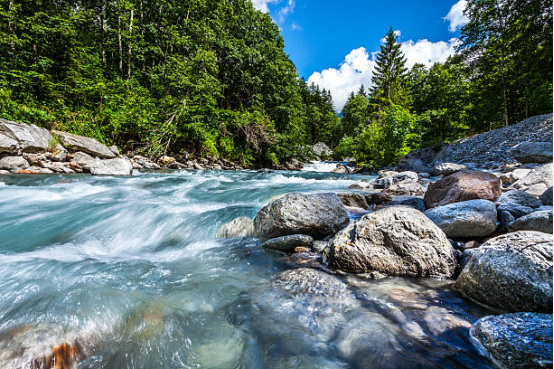
Every time streams and waterfalls rush and fall, it seems that they are not only shaping the shape of the mountains, but also nourishing the surrounding ecosystems. The minerals brought by the water nourish the plants in the mountains. The humid environment around the waterfalls has become a habitat for countless animals and plants. Have you ever noticed that the mosses and plants living around the waterfalls rely on the moist and fresh air to thrive?
It is the gift of these water flows that makes life in the mountains flourish. Streams and waterfalls connect the natural ecology of the mountains and create a close connection between every life that inhabits them and nature. Do you feel that water flows not only sustain life, but also breathe together with nature?
Summary: The miracle of hydrological system and the eternity of nature
Every time you step beside a mountain stream or waterfall, can you feel the profound power behind them? The formation of these water flows is not just a physical and geological accident, they are a silent art exhibition of nature, telling the evolution and miracles of nature without stopping. From the source of the stream to the torrential waterfall, every drop of water and every rock occupies a unique position in this great natural symphony. And all of this is always flowing and changing in the long river of time.
https://www.alength.com/the-ultimate-guide-to-mountain-systems-geology-climate-and-hydrology/