
https://www.alength.com/the-ultimate-guide-to-the-worlds-most-famous-mountain-ranges/
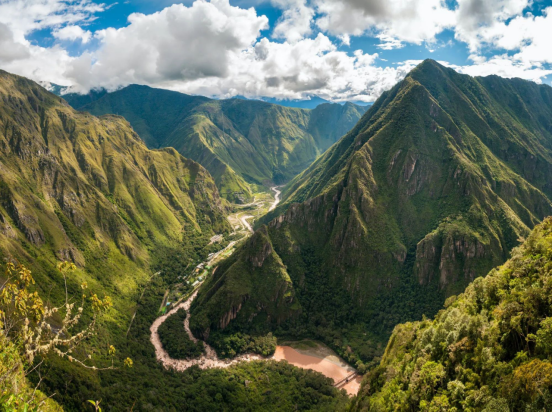
The Andes Mountains, the backbone of South America, stretches like a winding dragon across seven countries, from the northern tip of Venezuela to the southern tip of Chile. It is the longest land mountain range in the world, majestic and stunning. But have you ever thought about how this mountain range has shaped the face of South America over millions of years and affected the climate, ecology and culture here?
This mountain range is not only a natural barrier, it also profoundly affects the social history around it, and embodies stories about exploration and survival. Today, let us walk into this majestic mountain range to explore its uniqueness and the entanglement between nature and humans hidden behind it.
1. Basic Overview of the Andes Mountains
The Andes Mountains stretch for about 7,000 kilometers across seven countries: Argentina, Bolivia, Chile, Colombia, Ecuador, Peru, and Venezuela. How did it form over so many years? There may be no simple answer to this question. Did you know that the birth of the Andes Mountains can be traced back to more than 200 million years ago, when the South American Plate and the Nazca Plate collided violently, gradually pushing the earth’s crust up to form this majestic mountain range today.
A mountain range that spans the entire South America! This scale is simply unimaginable. What is even more shocking is that every inch of its land is full of traces of geological activities: traces of lava, carvings of glaciers, cuttings of deep valleys… These geological wonders seem to be silently telling the drastic changes of the young earth.
2. Climate and ecology: a changing natural landscape
The Andes Mountains are rich in climate and ecological changes, spanning a vast area from the equator to the South Pole. So how does this mountain range cope with such a variety of climatic challenges? This mountain range is like a natural artist, carefully drawing the transition from tropical to cold.
The charm of the tropical rainforest: In low-altitude areas, the climate is humid, the vegetation is dense, and the rain nourishes this tropical forest. There are a large number of animals and plants living here, just like a “natural museum” full of vitality and vigor. Jaguars, sloths, and countless species of birds all live here leisurely. Have you ever imagined that in this mysterious forest, animals and plants perform miracles of survival every day?
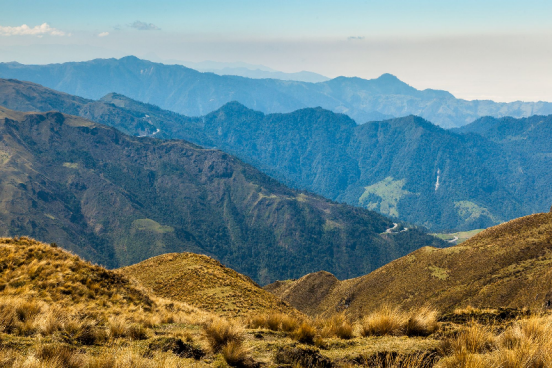
Alternation between grassland and mountains: When you walk slowly into the middle altitude area of the Andes Mountains, vast grasslands spread out before your eyes, the air becomes fresher, and the temperature gradually cools down. On this grassland, alpacas nibble on the grass leaves leisurely, and birds fly in the blue sky. As the altitude increases, the vegetation gradually decreases, and you enter a completely different world. Can you feel that there seems to be a silent dialogue between this grassland and the mountains?
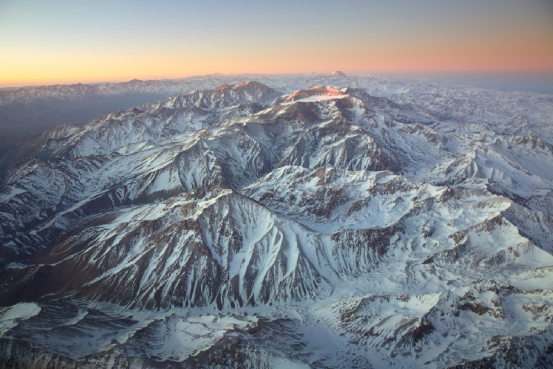
A world covered in ice and snow: Finally, when you climb to high altitudes, everything becomes different. Snow and ice cover the mountaintops, the air becomes thinner, and even breathing becomes extremely difficult. Life forms here are extremely rare, but they are all surviving in their own way, adapting to this almost unbearable environment. You can’t help but wonder: what force allows life to survive in such a harsh place?
3. The Cultural Significance of the Andes: Witness to History and Civilization
The Andes Mountains are not only a natural wonder, but also a witness to human history. Have you ever thought that it was because of this mountain range that many ancient civilizations in South America were born and flourished? The Inca Empire is one of the most representative examples.
Inca Empire: People of the Mountains: The Inca people regarded the Andes as a sacred existence. The mountains are not only their protectors, but also a symbol of their deep connection with nature. Machu Picchu, as one of the symbols of the Inca Empire, still stands on the cliff, showing the glory of ancient civilization to the world. Don’t you think that those ancient stone walls, blown by the mountain breeze, seem to whisper about the lost civilization?
Sites and cultural heritage: There are countless ancient sites in the Andes, not just Machu Picchu. These sites are not just piles of stones, they represent the deep connection between the people at that time, nature, and history. These civilization heritages still have a profound impact on the culture and society of the surrounding areas.
4. Ecological protection of the Andes: What can we do?
However, the Andes is facing severe challenges. The shadow of climate change seems to have quietly shrouded this beautiful mountain range. The glaciers are melting at an accelerated rate, and the mountain ecosystem is under threat. Are you also worried about what the Andes will look like in the future if this trend continues?
Not only climate change, but also illegal mining and deforestation have caused serious damage to the ecological environment of the Andes. Can we find a balanced path between nature and development? This is a question that each of us must think about.
Fortunately, international organizations and local governments have realized this and have taken a series of measures to protect this natural heritage. Whether it is setting up nature reserves or promoting sustainable tourism, all efforts are moving towards one goal – to ensure that the beauty of this mountain range can continue and be passed on to future generations.
5. Conclusion: The Andes Mountains, the Soul of South America
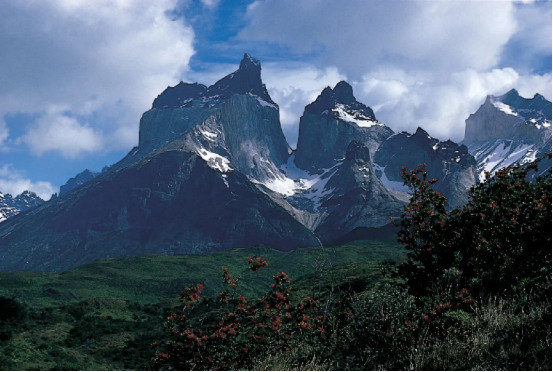
The Andes Mountains, as the backbone of South America, bears not only the wonders of nature, but also the memory of thousands of years of human civilization. This mountain range is like a silent guardian, silently watching the changes of the world.
Every peak, every grassland, every stream is a masterpiece of nature; every site, every piece of history is a miracle created by humans and nature. When we stand on the top of the mountain and look back at the mountains below, can we feel the shock and awe from the depths of nature?
The Andes Mountains are not only the backbone of South America, but also the soul of the earth.
https://www.alength.com/the-ultimate-guide-to-the-worlds-most-famous-mountain-ranges/