
https://www.alength.com/the-ultimate-guide-to-the-worlds-most-famous-mountain-ranges/
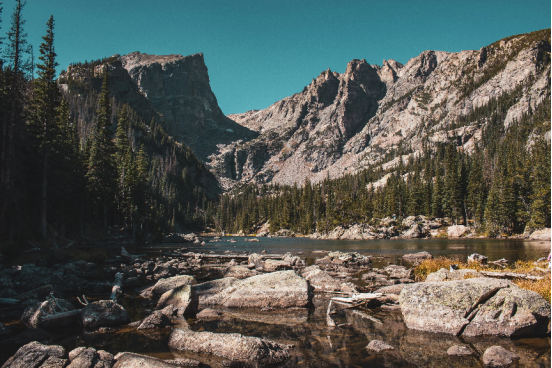
The Rocky Mountains, a natural barrier across the North American continent, is like the backbone of the earth, running through Canada to Mexico, winding for more than 3,000 miles. Every peak and every canyon tells an ancient story, and the historical and ecological miracles behind these scenes still attract countless explorers and scientists to explore and study. Imagine standing on the top of a mountain and looking down, the outline of the mountain is so clear that you can almost feel its deep power and unyielding vitality.
The Birth of the Rocky Mountains: Power from the Deep Earth
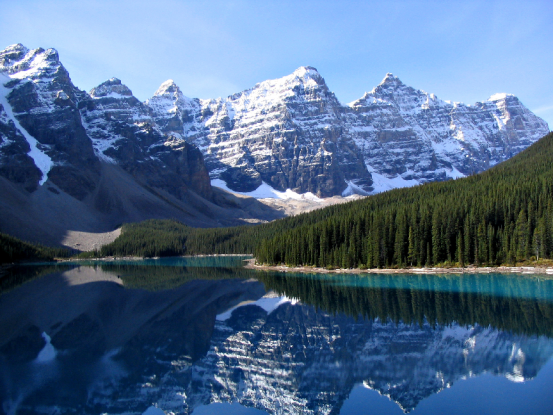
If we trace their history, we will find that the Rocky Mountains did not form overnight. About 80 million years ago, the North American Plate and the Pacific Plate collided violently underground, triggering a series of mountain building movements. Deep in the Earth’s crust at that time, it was as if nature was undergoing a very grand reorganization. Through the Laramide orogeny, the Earth’s crust was gradually pushed up to form the rugged mountains we see today. In the meantime, extreme earthquakes and volcanic activity were common, and the entire geological landscape was constantly evolving and adjusting.
Over time, this mountain range has undergone a long process of erosion and sedimentation. Wind, rain, glaciers, and flowing water, these natural forces have continuously sculpted the appearance of the mountains, making them more complex and fascinating. Every crack and every rock in the mountains seems to record traces of ancient times, as if silently telling of past changes and developments.
A brilliant sky of biodiversity: The ecological wonders of the Rocky Mountains
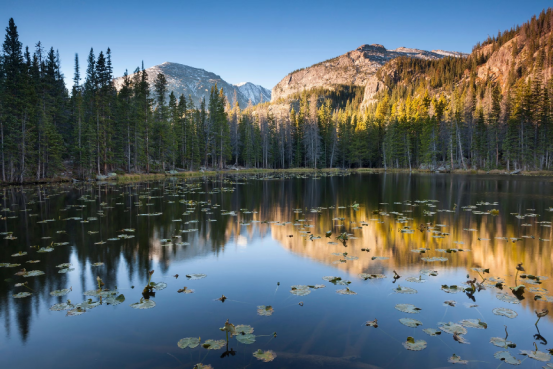
However, the Rocky Mountains are more than just about their geological formations. They are also about the biodiversity they host. Can you imagine a mountain range that can contain a variety of ecosystems, from frigid alpine tundra to warm grasslands? This is one of nature’s greatest creations. From dense coniferous forests to vast sagebrush prairies, the Rockies have a unique way of integrating each ecosystem into a delicate balance.
What is even more amazing is that the ecosystem in the Rocky Mountains is not static. The organisms here have established intricate relationships. Different species find their living space in mutual dependence and competition. Forests, grasslands, wetlands and other natural landscapes are intertwined to form a huge ecological network. You can imagine herds of elk walking through the forest, eagles soaring over the valley, and low plant roots quietly exchanging nutrients and water underground. All of this constitutes the vibrant life movement of the Rocky Mountains.
The role of forests in regulating climate cannot be ignored. They are the “lungs” of the atmosphere, absorbing carbon dioxide through photosynthesis and purifying the air. Every forest and every tree contributes to mitigating global climate change. You may ask, how powerful are forests? Through transpiration, they release a large amount of water vapor, which can even change the surrounding microclimate and make the weather system in the mountains richer and more varied. This profound impact on nature cannot be easily replicated by any modern technology.
The Rockies and Climate: Nature’s Balance
The Rocky Mountains not only shape the natural landscape here, but also have a vital impact on the regional climate. The mountains are like a natural barrier, blocking the moisture from the Pacific Ocean. This barrier effect leads to significant differences in climate on both sides of the mountain range: the east side is often dry and the temperature is higher, while the west side is relatively humid and cool. It is this special climate difference that has nurtured different ecosystems on both sides of the mountain range. You can find lush vegetation and rich flora and fauna in the wetlands and forests on the west side, while on the east side, the vast grasslands and deserts show another kind of desolate beauty.
Not only that, the Rocky Mountains are also the source of many important rivers, providing valuable water sources for the entire western region. These water sources not only support agricultural irrigation and hydroelectric power generation, but also provide living and industrial water for cities. Therefore, the existence of mountains has a profound impact on the economy and development of the entire region.
Culture and History: The Spiritual and Historical Imprint of the Rocky Mountains
However, the Rocky Mountains are more than just a place of geography or ecology. They are the birthplace of countless human stories and a crossroads of culture. For centuries, indigenous tribes have developed a deep spiritual connection to this land. Tribes such as the Navajo, Ute and Shoshone regard the mountains as sacred, and in their myths and legends, the mountains often carry the meaning of creation and life. For them, the Rocky Mountains are not just a place to live, but also a spiritual and cultural root.
With the arrival of European explorers, the Rocky Mountains became a key location for westward expansion. The expeditions of Meriwether Lewis and William Clark opened a new chapter in the exploration of the American West, crossing mountains and canyons, facing countless challenges, but also paving the way for later settlers. However, these expeditions brought not only opportunities, but also an impact on the indigenous way of life. With the influx of settlers, the land and resources of the indigenous people were invaded, and the culture began to change profoundly. The tribes that once lived with the mountains had to face new challenges to survive.
Protecting Cultural Heritage: The Historical Call of the Rocky Mountains
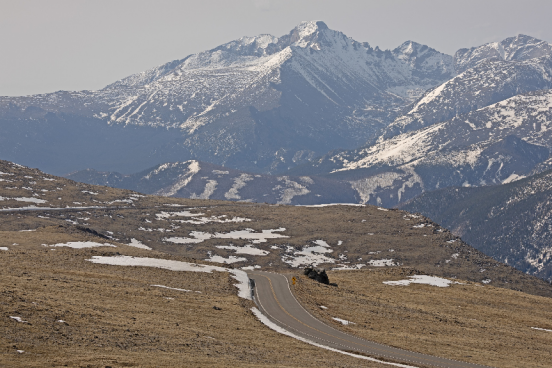
Today, the Rocky Mountains are still a living fossil of history and culture. Every small town and every historic road tells a story of the past. The establishment of Yellowstone Park and Rocky Mountain National Park is a way to cherish and protect this natural wonder. In this treasure of nature, we not only see magnificent landscapes, but also touch the history of profound interaction between humans and nature. Every relic here is a witness across centuries, carrying traces of different cultures and ethnic groups.
Today, with the increasing emphasis on ecological protection, more and more people are beginning to realize the true value of the Rocky Mountains. This is not only a natural landscape for human enjoyment, but also a cultural heritage that concerns the future and future generations. Can each of us realize that protecting this land is protecting our common history, culture and future?
Conclusion: The eternal charm of the Rocky Mountains
The Rocky Mountains are more than just a natural miracle. They are a living history museum, a cultural epic spanning time and space, and a bridge connecting nature and humanity. Whether you stand on the top of a mountain or wander in a valley, the Rocky Mountains remind us every moment that their existence gives this land a unique vitality. They are not only a part of North America, but also a common treasure of all mankind, a bond that interweaves our culture and nature, the past and the future.
https://www.alength.com/the-ultimate-guide-to-the-worlds-most-famous-mountain-ranges/